If you want a Chicago neighborhood that feels lived-in, practical, and connected to everyday life, Belmont Cragin deserves a closer look. For many buyers and renters, the big question is not just price. It is whether a neighborhood offers the right mix of housing, parks, local businesses, and transportation for your routine. This guide breaks down what it is actually like to live in Belmont Cragin so you can get a clearer feel for the area before you make a move. Let’s dive in.
Belmont Cragin at a Glance
Belmont Cragin is a large community on Chicago’s Northwest Side with a mostly residential feel and a strong local business presence. It has an intergenerational, neighborhood-scaled character, with daily life shaped by small businesses, main commercial streets, and a pronounced Latin cultural presence.
The housing mix is also more balanced than many people expect. According to CMAP, 51.6% of homes are owner-occupied and 48.4% are renter-occupied, which creates a neighborhood with both long-term homeowners and renters. CMAP also reports that 70.5% of households are family households.
Housing in Belmont Cragin
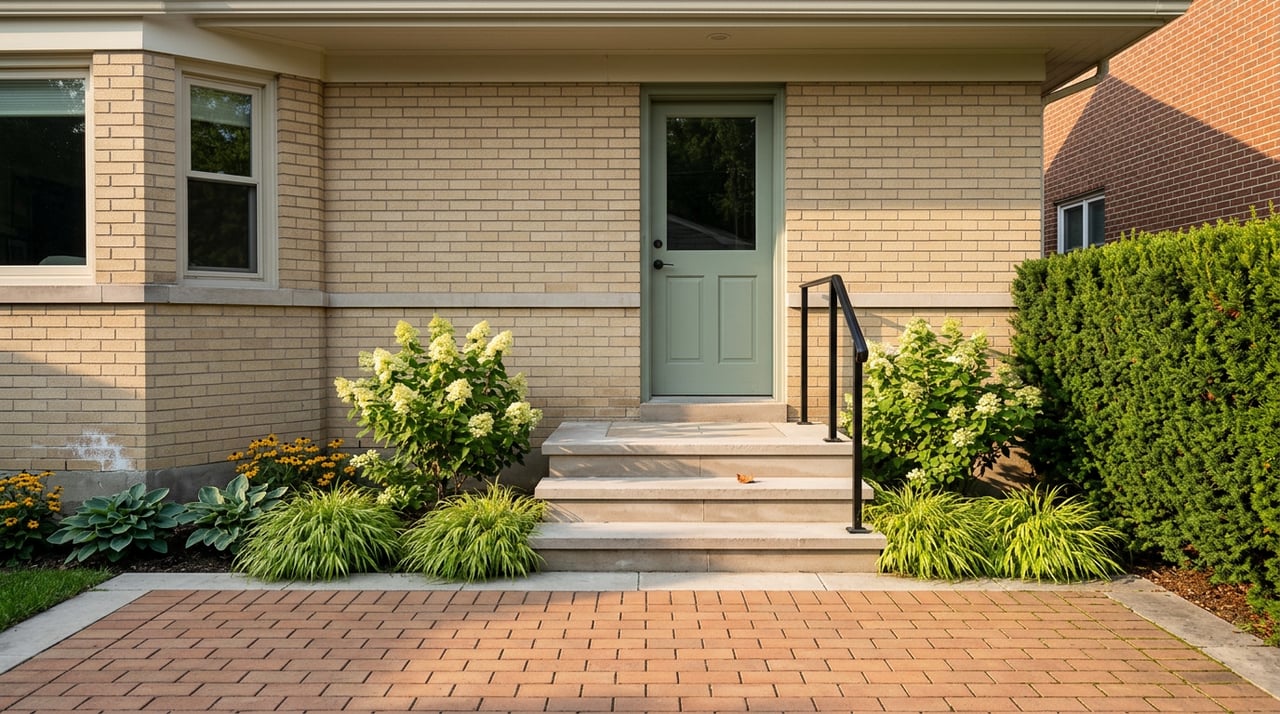
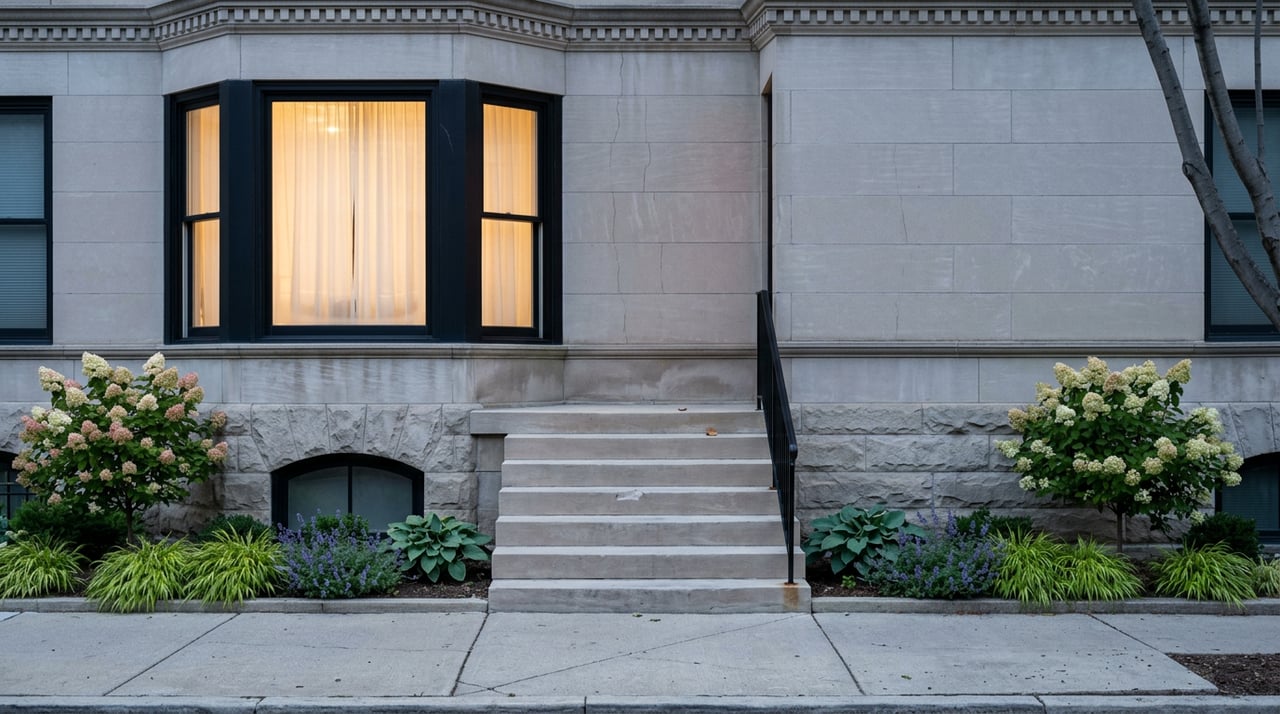
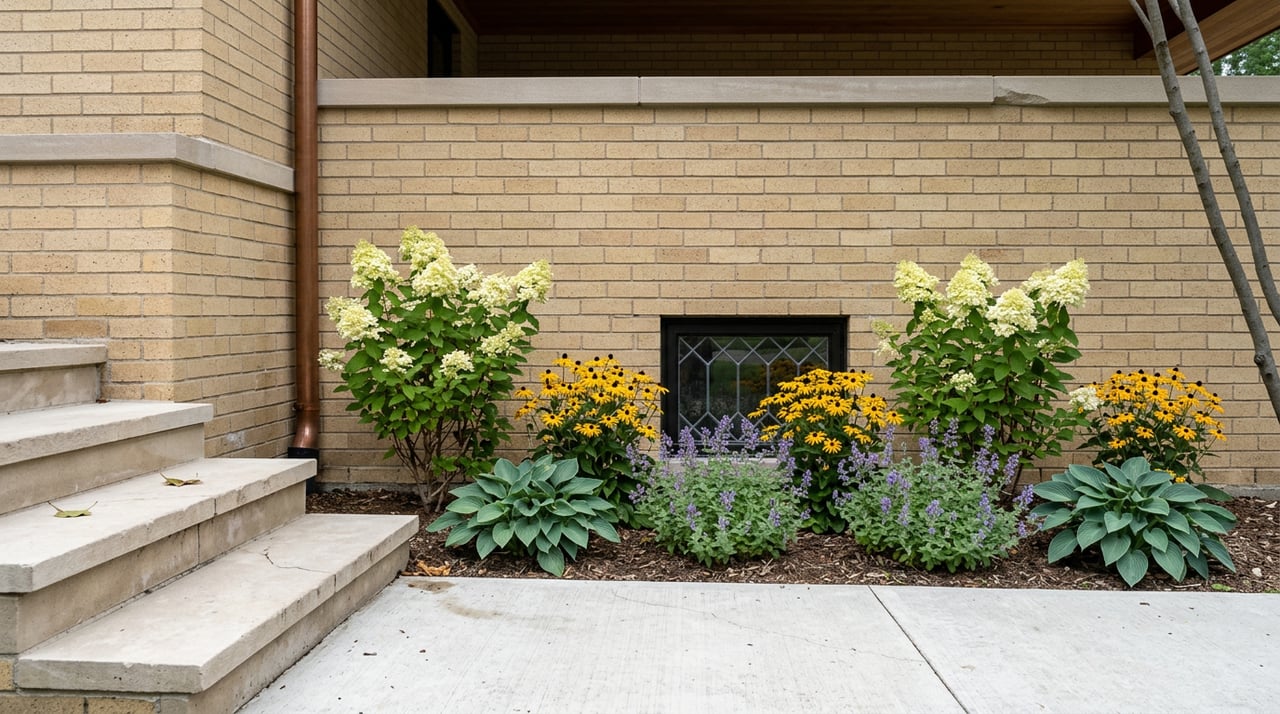
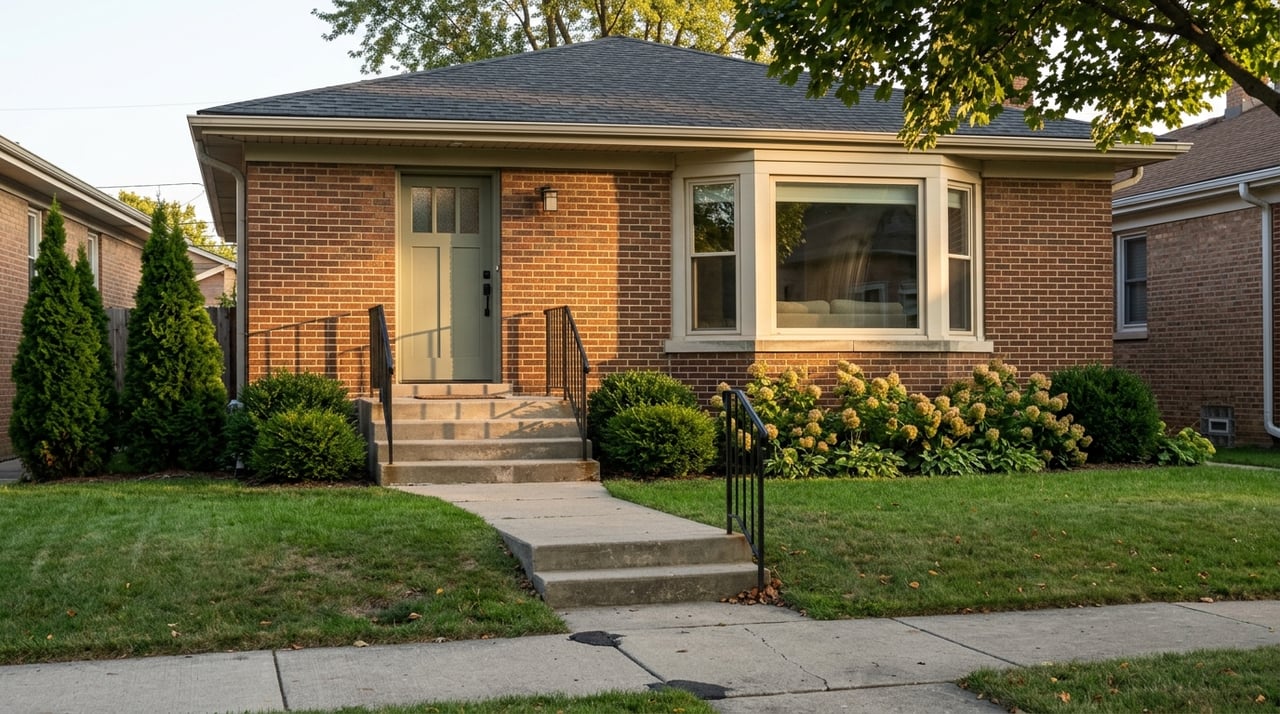
One of the clearest things you notice about Belmont Cragin is its older, low-rise housing stock. This is not a neighborhood defined by high-rise towers. Instead, CMAP reports that 41.3% of housing units are single-family homes, 43.5% are in two- to four-unit buildings, and only 2.5% are in buildings with 50 or more units.
That mix gives the area a more traditional Chicago residential feel. More than half of all housing units were built before 1940, which helps explain why the neighborhood is often associated with older homes and Chicago’s bungalow-belt character.
For buyers trying to understand the price point, CMAP reports a median residential sales price of $330,000 based on 2022 sales data. For renters, the median gross rent is $1,236. Those numbers make Belmont Cragin worth considering if you want an established Chicago neighborhood with a wide range of low-rise housing options.
What the housing mix means for you
If you are buying, Belmont Cragin can appeal to you if you want choices beyond condos in large buildings. The local inventory profile suggests you may see more single-family homes and smaller multi-unit properties than in some denser parts of the city.
If you are renting, the nearly even split between owners and renters can also be a positive sign of a mixed housing environment. In practical terms, that often means a neighborhood that supports both long-term roots and flexibility.
Daily Life and Neighborhood Feel
Belmont Cragin tends to feel steady and residential rather than fast-paced or trendy. The area’s strong Hispanic or Latino presence, reported by CMAP at 69.7% of households, plays a visible role in local food, shopping, and community life.
That influence shows up in the neighborhood’s businesses and streetscapes. Choose Chicago describes the area as a place for local retail, open-air mercados, and creative small businesses, which helps give Belmont Cragin a distinct identity that feels local rather than generic.
This is the kind of neighborhood where your daily routine may revolve around nearby parks, errands along major corridors, and familiar small businesses. If you value a grounded, everyday neighborhood feel, Belmont Cragin has a lot going for it.
Parks and Recreation
Park access is one of Belmont Cragin’s strongest lifestyle features. Riis Park is the standout, with 57.30 acres and a long list of amenities that support both organized activities and casual recreation.
According to the Chicago Park District, Riis Park includes a renovated fieldhouse, gymnasium, assembly hall, teen center, multipurpose rooms, a track, a large pool, 10 tennis courts, an artificial-turf soccer field, and a casting pool with a pier. That kind of setup gives you more than open grass. It gives you a true activity hub.
Blackhawk Park adds another important recreation option in the neighborhood. The Chicago Park District says it includes an indoor pool, gym, meeting rooms, kitchen, walking path, multiple fields and courts, plus a playground with a spray pool.
Smaller parks also help round out daily life. Lucy Parsons Park has an ADA-accessible playground and water spray feature, while Park No. 552 offers a small passive green space. These smaller sites may not be destination parks, but they still matter when you want nearby outdoor space built into the neighborhood.
Shopping and Dining
Belmont Cragin has a practical commercial pattern centered on major corridors like Belmont, Cicero, Diversey, and Fullerton. A City of Chicago zoning packet identifies the long-running Belmont-Central retail area and Brickyard Shopping Mall as key retail anchors that have long drawn shoppers into the community.
That gives residents access to both neighborhood-serving businesses and larger shopping destinations. In day-to-day terms, that can make errands more convenient and reduce the need to leave the area for basic shopping needs.
The dining scene reflects the neighborhood’s cultural range. Choose Chicago highlights options such as Tasty Polish Food, La Costa, Latin Patio Restaurant, and Avenida Peru, pointing to a mix that includes Polish, seafood, Guatemalan, and Peruvian offerings.
Just as important, the area is known for local retail and neighborhood businesses rather than a polished entertainment district. If you prefer commercial areas that feel useful, established, and community-oriented, that is part of Belmont Cragin’s appeal.
Getting Around Belmont Cragin
Transportation in Belmont Cragin works best if you understand that it leans more car- and bus-oriented than rail-centered. CMAP reports that 65.4% of workers drive alone, while 11.5% use transit and 2.9% walk or bike. The average commute time is 38 minutes, and 14.6% of households have no vehicle.
CTA bus service is a practical part of daily mobility in the area. Current CTA schedules show accessible service on the 54 Cicero, 77 Belmont, and 82 Kimball/Homan routes, with key stops along major neighborhood corridors.
For rail access, nearby options include the Pink Line and Metra’s Hanson Park station on the Milwaukee District West line. That does not make Belmont Cragin a classic train-at-your-door neighborhood, but it does give you public transit choices depending on where you live and where you commute.
Is Belmont Cragin car-dependent?
For many residents, a car likely makes daily life easier. The commuting data suggests that driving plays a major role in how people get to work, and the neighborhood’s commercial layout also supports that pattern.
At the same time, Belmont Cragin is not cut off from transit. If you use buses regularly or combine bus and rail trips, the area can still be workable without relying entirely on a car.
Who Belmont Cragin May Fit Best
Belmont Cragin can be a strong fit if you want an established Chicago neighborhood with older housing, local commercial corridors, and solid park access. It may especially appeal to buyers looking for single-family homes or smaller multi-unit properties rather than large-building living.
It can also make sense if you want a neighborhood where daily life feels practical and community-based. The mix of residential blocks, local businesses, and recreation options gives the area a steady rhythm that many people value.
If your top priority is being steps from an L station or living in a dense high-rise district, Belmont Cragin may not match that lifestyle as closely. But if you want low-rise housing, everyday convenience, and a neighborhood with a strong local identity, it offers a lot to consider.
Final Thoughts on Belmont Cragin
Belmont Cragin offers a combination that can be hard to find in Chicago: older, low-rise housing, a balanced owner-renter mix, strong park amenities, and neighborhood retail that supports real daily life. It feels residential, active, and established, with commercial corridors and cultural character that give it a clear sense of place.
If you are weighing whether Belmont Cragin fits your budget, commute, or home search goals, local context matters. The right block, property type, and access points can shape your experience in a big way. If you want help comparing homes or understanding how Belmont Cragin fits into your broader Chicago search, connect with Antonio Sarmiento for clear, local guidance.
FAQs
What is the housing like in Belmont Cragin?
- Belmont Cragin is known for older, low-rise housing. CMAP reports that 41.3% of units are single-family homes, 43.5% are in two- to four-unit buildings, and only 2.5% are in buildings with 50 or more units.
What is the median home price in Belmont Cragin?
- CMAP reports a median residential sales price of $330,000 based on the neighborhood’s 2022 sales data.
What is the rent like in Belmont Cragin?
- CMAP reports a median gross rent of $1,236 in Belmont Cragin, which gives renters a general pricing benchmark for the area.
What parks are in Belmont Cragin?
- Key park options include Riis Park, Blackhawk Park, Lucy Parsons Park, and Park No. 552. Riis Park is the largest, with amenities like a pool, tennis courts, a track, and a fieldhouse.
Is Belmont Cragin good for commuting in Chicago?
- Belmont Cragin offers CTA bus service, nearby rail options like the Pink Line and Metra’s Hanson Park station, and a transportation pattern that leans more toward driving than rail-based commuting.
What is Belmont Cragin known for?
- Belmont Cragin is known for its older housing stock, strong park access, neighborhood retail corridors, and a distinct local cultural identity shaped in part by its large Hispanic or Latino household base.