Buying your first condo in Logan Square can feel exciting right up until the details start piling up. Prices move quickly here, buildings are often older, and that monthly assessment can change the math more than many first-time buyers expect. If you want to buy with more confidence, this guide will help you understand what to watch, what to ask, and how to make a smarter decision in Logan Square. Let’s dive in.
Why Logan Square Condos Get Attention
Logan Square continues to stand out as a higher-price, fast-moving market by Chicago standards. Recent market snapshots showed condo list prices around the mid-$500,000s, while broader neighborhood sale figures ranged higher depending on the source and time frame.
Even with some variation across data sources, the pattern is clear. Logan Square is competitive, and well-positioned homes can move fast. That matters when you are a first-time buyer because you need to be prepared without rushing past important due diligence.
CMAP adds useful local context. Its Logan Square housing profile showed a median residential sales price of $560,000 in 2022, compared with $323,500 citywide. In simple terms, buying here often means balancing neighborhood appeal with a careful budget and a clear plan.
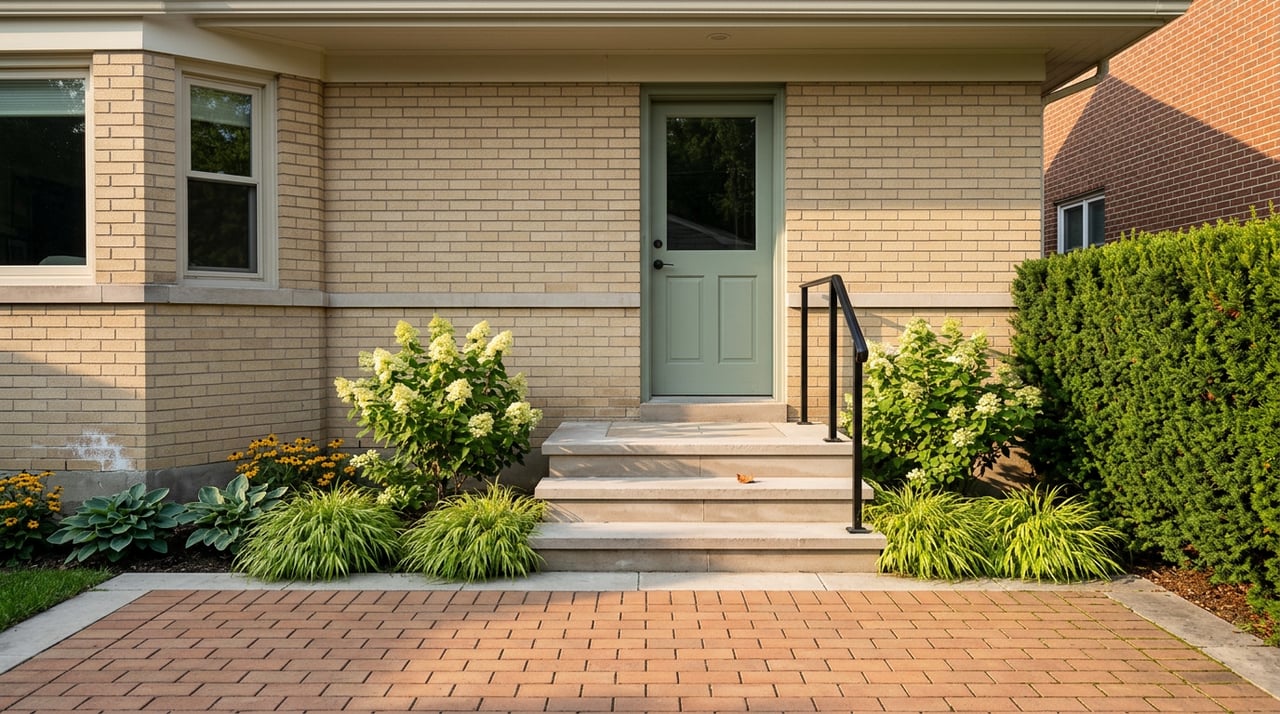
What Logan Square Condo Buildings Are Usually Like
A big part of the Logan Square condo experience is the housing stock itself. According to CMAP, 43.7% of units are in 2 to 4 unit structures, and another 31.0% are in 5 to 49 unit structures. That means many buyers are looking at smaller associations rather than large high-rise buildings.
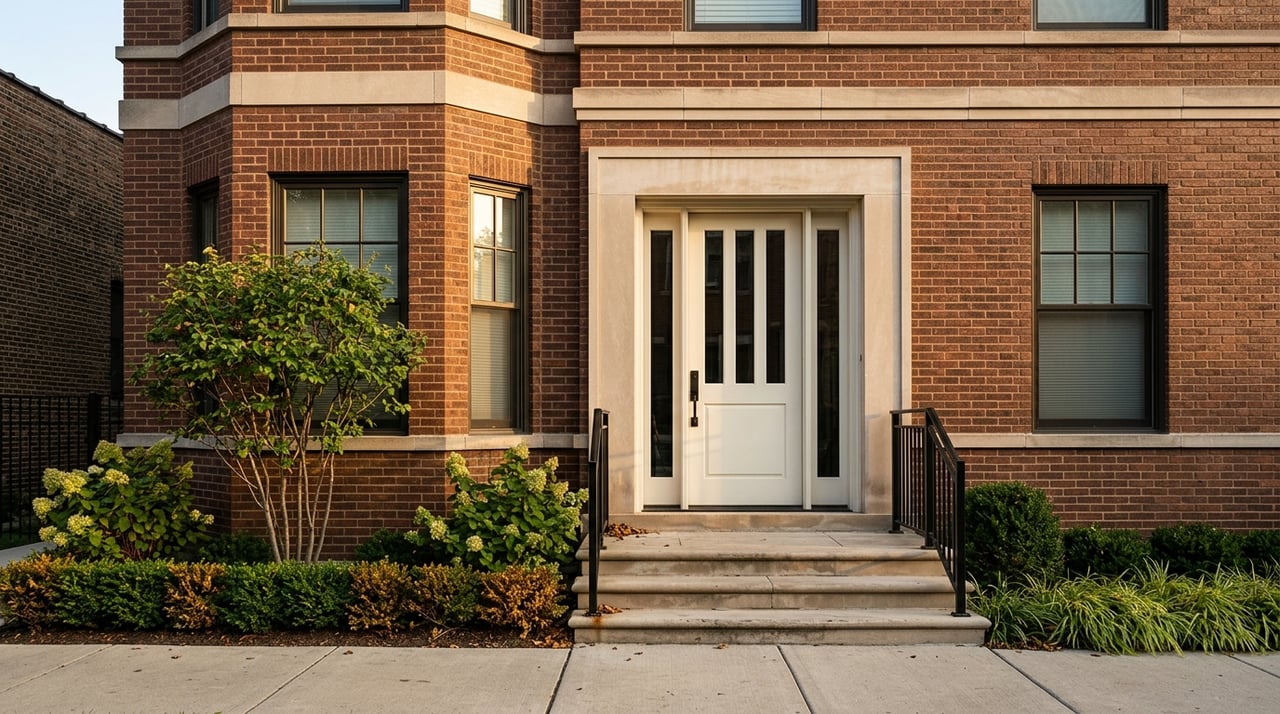
The neighborhood also skews older. CMAP reports that 59.5% of housing units were built in 1939 or earlier, with a median year built of 1944. In practice, that often means you may be comparing vintage condo conversions, walk-ups, boutique buildings, and some newer infill construction.
That mix can be a plus if you value character and variety. It also means the condition of the building, the quality of past updates, and the strength of the association matter just as much as the finishes inside the unit.
Why Older Buildings Need Extra Review
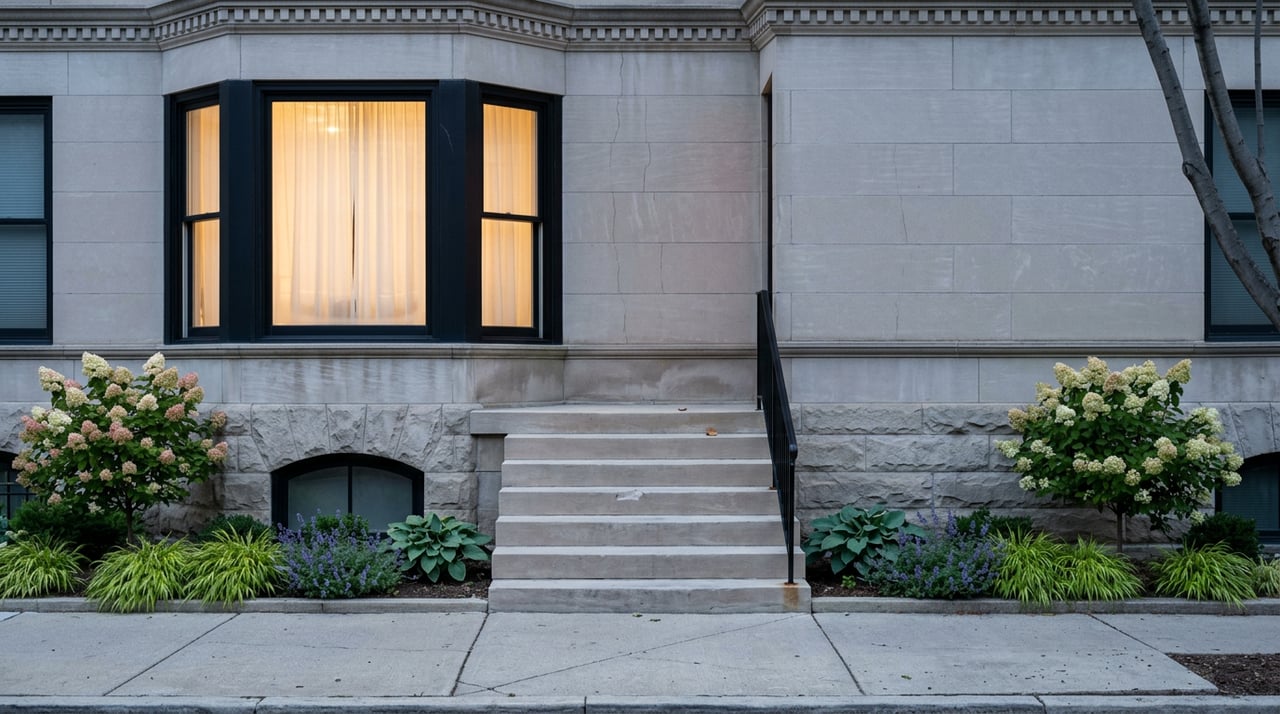
Logan Square includes historic architecture and well-known streetscapes, especially around the Logan Square Boulevards District. That gives the area a lot of visual appeal, but older buildings can come with more maintenance questions.
A stylish kitchen or fresh paint does not tell you how the roof is doing or whether masonry work is coming soon. In smaller condo buildings, even one major project can affect owners quickly through higher assessments or a special assessment.
This is one reason first-time buyers should look beyond the unit itself. You are not just buying four walls. You are also buying into the building’s shared financial health and maintenance habits.
Budget Beyond the Mortgage Payment
One of the most common first-time buyer mistakes is focusing too much on the mortgage payment and not enough on the full monthly cost. For a condo, your real housing budget should include your mortgage, property taxes, insurance, and the monthly assessment.
That assessment is not a throwaway expense. It helps cover building operations and ongoing upkeep, and it can be a sign of whether the association is planning responsibly for future repairs.
Condo dues are often paid separately from the mortgage and can range from a few hundred dollars to more than $1,000 per month, depending on the property. In Logan Square, where many buildings are older and smaller, it is especially important to understand exactly what the monthly assessment covers.
Why Reserves Matter So Much
Illinois law requires condo boards to prepare annual budgets and maintain reasonable reserves for capital expenditures and deferred maintenance. Reserve funding can be waived only by a two-thirds vote, and that waiver must be disclosed to owners and prospective buyers.
For you, that means reserve levels are not just back-office paperwork. They can tell you whether the association is planning ahead or pushing costs down the road.
A lower monthly assessment is not always better. If reserves are weak, you may face bigger expenses later. A well-run building with realistic dues can sometimes be a safer financial choice than a building that looks cheaper at first glance.
Condo Documents First-Time Buyers Should Read
Illinois also requires important resale disclosures for condo purchases. These disclosures can include the declaration, bylaws, rules, unpaid assessments, anticipated capital expenditures, reserve fund status, financial statements, pending lawsuits, insurance coverage, and known alterations believed to comply with the condo rules.
That may sound like a lot, but these documents often tell the real story of the building. They can reveal whether the association is stable, whether repairs are coming, and whether there are legal or financial issues that could affect your ownership.
If you are buying your first condo in Logan Square, do not treat these documents like a formality. They are one of your best tools for spotting risk before closing.
Key Questions To Ask Every Logan Square Condo Seller
When you tour condos, keep a short list of practical questions ready. The goal is not to create friction. It is to get clear answers early.
- What does the monthly assessment cover?
- Are any increases expected soon?
- How much does the association have in reserves?
- Is a special assessment being discussed?
- Are there pending lawsuits, insurance issues, or owner delinquencies?
- Are any large capital projects coming up?
- Were renovations or common-area improvements properly permitted and documented?
- Does the building fit the loan type you plan to use?
These questions are especially useful in Logan Square because many buildings are smaller and older. In that setting, association health can affect your ownership experience quickly.
Inspection And Permit Checks Still Matter
A condo purchase still needs a serious inspection strategy. An appraisal is not the same thing as a home inspection, and an independent inspection can reveal problems early enough for you to negotiate repairs, ask for credits, or walk away.
This matters even more in older housing stock. Updated finishes can hide issues related to plumbing, windows, electrical work, or building wear that may not be obvious during a quick showing.
City of Chicago permit and inspection records are also worth reviewing. The city notes that an issued permit does not prove the work was completed properly, and the absence of violations does not prove full compliance. That is why permit history and association maintenance records work best when you review them together.
Check Financing Before You Get Too Far
If you plan to use FHA financing, verify condo eligibility early. HUD says a condo must be in an FHA-approved project or qualify for single-unit approval, and that review can depend on legal compliance, insurance, financial condition, pending legal action, and physical condition.
In a neighborhood where prices can move quickly, it helps to know this upfront. A condo that looks like a match on paper may not fit your loan program.
The sooner you confirm financing fit, the less time you waste chasing a property that could become difficult to close. That can save you both stress and money.
Location Inside Logan Square Affects Resale
Not all Logan Square condo locations feel the same in day-to-day life or hold the same appeal for future buyers. Transportation access is a major part of the value story here.
CTA lists the Logan Square Blue Line station at 2620 N. Milwaukee Ave. with connections to bus routes #56 and #76. Choose Chicago also notes that the neighborhood is served by the Blue Line, several bus routes, and that The 606 borders its southern edge.
For many buyers, easier access to transit, bike connections, and neighborhood amenities adds convenience now and can support resale later. While there is no fixed formula for value, walkability to the Blue Line, bus stops, and nearby amenities is worth paying attention to when comparing condos.
Amenities That Shape Daily Life
Logan Square offers more than housing stock and transit. Choose Chicago highlights local destinations such as the Logan Square Farmers Market, the Logan Theatre, and a strong mix of dining and arts uses.
That kind of neighborhood infrastructure can shape how you use the area every week. It can also influence what future buyers notice when your condo eventually goes back on the market.
As a first-time buyer, it helps to think one step ahead. If a location makes your routine easier and feels connected to the neighborhood, it may also be easier to resell when your needs change.
A Smart First-Time Buyer Approach
In Logan Square, the best first condo is not always the flashiest one. It is the one that fits your budget, matches your financing, and sits in a building with solid documents, realistic assessments, and a location that supports your lifestyle.
That takes patience, especially in a competitive market. But patience is not the same as hesitation. It means knowing what to check, what to ask, and where to look deeper before you commit.
If you want a clear process, local insight, and straight answers as you compare Logan Square condos, working with an agent who understands both the neighborhood and condo due diligence can make the path much easier. When you’re ready to talk through your options, connect with Antonio Sarmiento.
FAQs
What should a first-time buyer in Logan Square include in a condo budget?
- Your budget should include the mortgage, property taxes, insurance, and the monthly condo assessment, since the assessment is usually separate from the mortgage payment.
What condo documents matter most for a Logan Square purchase?
- Key documents include the budget, reserve information, financial statements, bylaws, rules, insurance details, anticipated capital projects, unpaid assessments, and any pending legal issues.
Why are condo reserves important in older Logan Square buildings?
- Reserves help cover future repair and replacement costs, and in older buildings they can be a strong sign of whether the association is planning responsibly for maintenance.
How can a buyer check past work on a Logan Square condo?
- You can review City of Chicago permit and inspection records, then compare that information with association records and seller disclosures for a fuller picture.
Does FHA financing work for every Logan Square condo?
- No. FHA financing depends on whether the project is approved or qualifies for single-unit approval, so eligibility should be confirmed early in the process.
Why does transit access matter when buying a Logan Square condo?
- Access to the Blue Line, bus routes, and bike connections can affect daily convenience and may also matter to future buyers when you eventually sell.