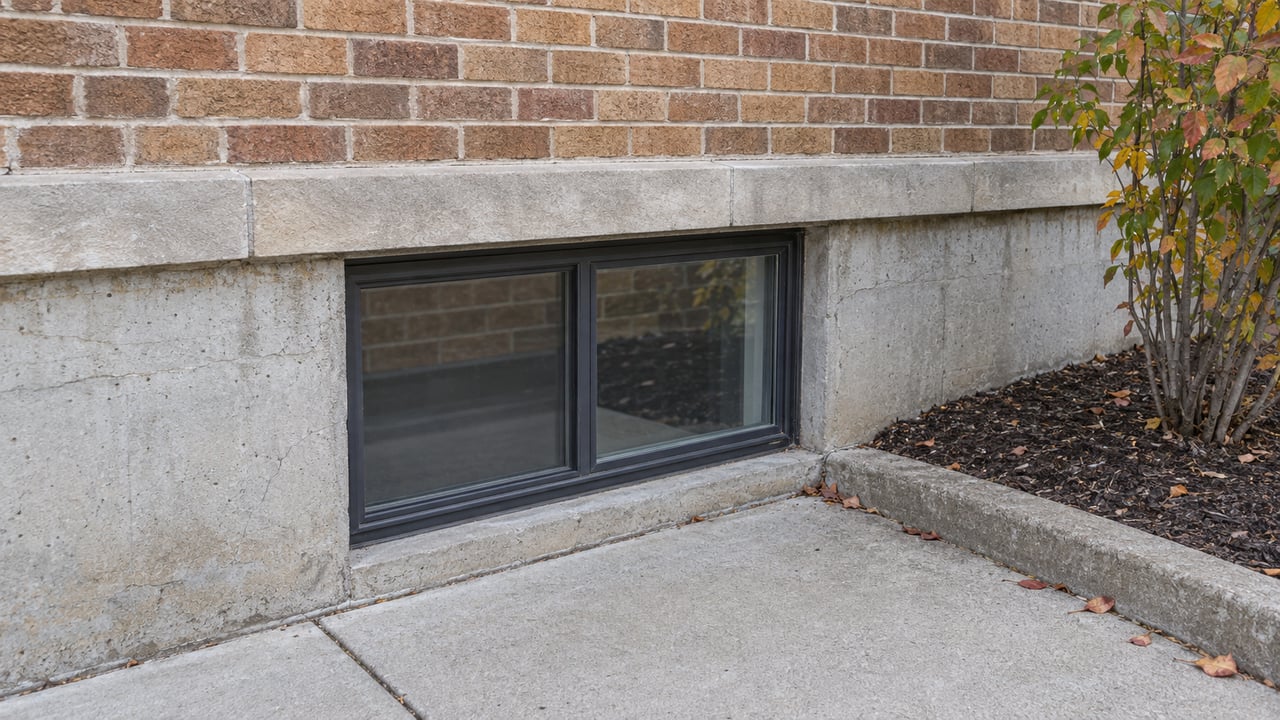
A home in Norridge can't change hands until the Village issues a Real Estate Transfer Stamp. Two village departments inspect the property before that stamp is released. The Building Department checks zoning and smoke and carbon monoxide alarms. The Water Department goes to the basement and checks a meter seal, a boiler valve, the hose bibs and any lawn sprinkler system. Most sellers prepare for the first inspection. The second one turns up items that can slow down a closing even after the price is settled.
Fixing these items is usually cheap. The problem is timing, and it shows up close to closing day, when the buyer's lender, the title company and the moving truck are already scheduled.
The stamp comes after both inspections
According to the Village's Transfer Information page, the stamp ordinance covers both residential and commercial property. It exists to make sure property "is recorded properly and meets today's specifications concerning the codes." To schedule the Building Department inspection, you file a Transfer Application, pay a $100 fee, and submit a copy of the sales contract. If a realtor sold the home, you also submit the MLS listing. The Village says it will not accept partial paperwork, faxed copies, or scheduling by phone. It recommends allowing at least 15 days before closing to get the inspection on the calendar.
The written instructions and the actual form don't fully agree. The page says the paperwork must be submitted in person, but its Transfer Inspection Application link opens the Village's online Accela portal. Before you plan a trip to Village Hall, call the Building Department at 708-453-0311 and ask which method applies to your sale.
The Building Department's scope is short. Its department page says the sale inspection confirms zoning compliance and checks that the required smoke alarms and carbon monoxide detectors are installed and working. The first inspection costs $100, and each re-inspection costs $25. Most sellers are ready for this part.
What the Water Department inspector checks
The Water Department runs its own transfer inspection and publishes a preparation sheet that lists what the inspector will check. According to the Village, the backflow items come from the Illinois Plumbing Code.
Here is what the inspector looks for:
- The meter and its transmission unit. Both must be accessible, working, sealed and tagged. If the seal is missing or has been removed, the inspection fails, and the Village says a $1,000 fine is possible under Section 98-113 of its ordinance. Any damaged equipment and reinstallation must be paid for before the Property Transfer Certificate is issued.
- The heating boiler. A boiler that heats the house, as opposed to the water heater, needs a dual check valve with a vent. If the boiler system contains chemicals, it needs an RPZ valve instead, which must be tested when installed and every year after that.
- Every hose connection, inside and out. Each one needs a vacuum breaker. The Village sells hose connection vacuum breakers at Village Hall.
- A lawn irrigation system. It needs an RPZ and a valid test report. If there is no RPZ, you have two options: install the device and have it tested and inspected, or disconnect the system and sign a disconnect form after an inspector checks it.
A home can be spotless and still fail because the meter seal broke years ago or the outdoor spigot was never fitted with a vacuum breaker. The Village is direct about the consequence. If any of these deficiencies are found, the inspection fails, and you should "allow the proper amount of time between the property closing date and the Village transfer inspection date so any needed corrections can be made."
Counting back from closing day
The final water bill is the step with the least flexibility. The Water Department won't issue it more than three business days before closing. The bill is calculated when you pay it, and you must pay by cash or check before the Transfer Certificate is issued. You can't pay it weeks in advance and cross it off the list.
The market sets the pace on the other end of the timeline. In Illinois REALTORS' August 2026 report for the Chicago metro area, homes took a median of 22 days on market until sale, unchanged from August 2025. That is a metro-wide number, not a Norridge number, and the September report is scheduled for release on Oct. 22. Still, a home that goes under contract within a few weeks of listing leaves little room once the contract is signed.
Working backward from closing, the order looks like this:
- Before or right after you list: find the water meter and transmission unit, make sure the seal and tag are in place, and look at the boiler piping, hose bibs and any sprinkler system against the Water Department's sheet.
- As soon as there's a signed contract: file the transfer paperwork with the contract and MLS listing attached, and pay the $100 fee. The Village recommends doing this at least 15 days before closing.
- Inspection day: inspectors give the agent representing the property a list of any violations, with an explanation.
- Between inspection and closing: make the corrections and schedule any $25 re-inspection, or settle a buyer agreement, covered in the next section.
- Within three business days of closing: the final water bill can be issued, and paying it by cash or check clears the way for the Transfer Certificate.
If an RPZ has to be installed and tested, or a boiler needs a new valve, that work has to happen in step four. That is why the Village recommends a 15-day window.
When the buyer can take on the fix
A failed inspection doesn't always delay the closing. The Transfer Information page says that once the list is issued, either the owner makes the corrections or the parties sign an agreement letting the new owner take responsibility for "any violations related to zoning or water." If that agreement is signed, the buyer has 30 days from closing to make the corrections and contact the Building Department for an inspection.
That agreement makes certain violations something the two sides can negotiate. A missing vacuum breaker or an untested sprinkler RPZ could be fixed by the seller, handled by the buyer, or reflected in a credit. The page limits the agreement to zoning and water items. Smoke and carbon monoxide detectors are not on that list, and they are inexpensive to install before the inspection.
Two village pages describe this differently. The Building Department's main page says violations must be corrected before the sale, while the Transfer Information page lays out the assumption agreement. Ask the Building Department which process applies to your specific violations before you build it into the deal.
This post is general information, not legal, tax or financial advice. Confirm the rules for your property with the Village, your attorney and your title company.
Harwood Heights handles it differently
Norridge sellers often buy their next home nearby, and Harwood Heights, which sits next to Norridge, has its own process. Both villages require an inspection before a sale, but the paperwork and fees differ. The figures below come from the Norridge pages linked above and the Harwood Heights inspections page, which was posted in February 2026.
| Norridge | Harwood Heights | |
|---|---|---|
| What you get | Real Estate Transfer Stamp | Pre-sale inspection with a Certificate of Compliance form filed first |
| Single-family or condo fee | $100 first inspection, $25 each re-inspection | $100 |
| Multifamily | Not broken out on the Village page | $250 for up to five units, plus $50 for each additional unit |
| Suggested lead time | At least 15 days before closing | Schedule two to three weeks before closing; pay before scheduling |
| Water at sale | Separate Water Department inspection plus a final bill issued no more than three business days before closing | Water-meter replacement fee at sale under Ordinance 26-01, effective Feb. 12, 2026 |
The Harwood Heights page doesn't list a dollar amount for the new meter replacement fee, so ask the village what it is before you work out your net proceeds.
FAQ
Do I need a stamp if I'm only deeding the house into a trust? Yes. The Village says a stamp is required to record a deed into a trust or any other exempt transfer. You file the Transfer Exemption Application with the original signed and notarized paperwork, either in person or by mail with a self-addressed stamped envelope. Faxes are not accepted.
What if the buyer plans to demolish the house? The same steps still apply. The Village also offers a 90-day agreement under which the new owner provides a Cook County demolition permit within 90 days of closing, has the water shut off, and keeps the property maintained and unoccupied.
Where is the Village code? Norridge publishes its Code of Ordinances on Municode. The page notes it may not include legislation passed after its most recent codification.
If you're getting ready to list in Norridge, Antonio Sarmiento can help you check the meter, boiler piping and hose bibs against the Village's lists before you list, so the transfer stamp is ready when the buyer is. Let's Connect.