If you want a Chicago neighborhood where getting around feels easier without giving up a residential setting, Jefferson Park deserves a closer look. For many buyers, renters, and relocating households, the challenge is finding a place that supports a practical commute and still feels like home when the workday ends. Jefferson Park stands out because it combines strong transit connections, a mostly residential housing mix, and everyday amenities that support daily life. Let’s dive in.
Why Jefferson Park Works for Commuters
Jefferson Park is one of Chicago’s 77 community areas on the Northwest Side. It is also a neighborhood name that people sometimes use more broadly than the official community-area boundary, which is helpful to know as you search listings and compare locations.
What makes Jefferson Park especially appealing is that it is not just a one-train-stop neighborhood. It functions more like a multimodal commuter hub, which means you have several ways to get where you need to go depending on your schedule, destination, and routine.
Blue Line Access Matters
The CTA Jefferson Park Blue Line station is located at 4917 N. Milwaukee Ave. The station is accessible, offers sheltered bike parking, and connects to a wide range of CTA and Pace routes.
The Blue Line provides 24-hour rapid transit service between O’Hare International Airport and the Forest Park terminal by way of downtown Chicago. That gives you a practical option for downtown commuting, airport trips, and late-night or early-morning travel when other schedules may feel more limited.
Metra Adds Another Option
Jefferson Park also has Metra service on the Union Pacific Northwest line at 4963 N. Milwaukee Ave. That line includes service to Ogilvie Transportation Center and also reaches northwest suburban stops such as Arlington Heights.
For buyers and renters, this adds flexibility. If your job, family, or routine takes you into downtown Chicago one day and toward the northwest suburbs the next, that second rail option can be a real advantage.
Buses, Pace, and Road Access Fill the Gaps
At the Jefferson Park transit center, you can connect to CTA buses #56, #68, #81, #81W, #85, #85A, #88, #91, and #92. You also have Pace routes #225, #226, and #270, along with the Pulse Milwaukee Line.
If you drive, the Kennedy Expressway is a major part of the transportation picture. According to IDOT, it carries more than 275,000 motorists daily, which shows how important this corridor remains for regional travel. In practical terms, Jefferson Park gives you choices whether you prefer rail, bus, driving, or a mix of all three.
What Transit-Friendly Living Really Looks Like
Transit-friendly living is not only about being near a station. It is about how easily your neighborhood supports the way you actually move through the week.
In Jefferson Park, the transit setup can make daily life more manageable. You may be able to commute without relying on a car every day, simplify airport access, or reduce the stress of having only one route in and out of the neighborhood.
Can You Live Here Without a Car?
For many people, yes. Between the Blue Line, Metra UP-NW, multiple CTA bus routes, Pace service, and bike-supportive station features, Jefferson Park offers a strong network for people who want alternatives to daily driving.
That does not mean every household will choose to go car-free. But it does mean the neighborhood gives you the ability to build a routine around transit if that fits your budget, commute, or lifestyle.
Jefferson Park Housing Has a Residential Feel
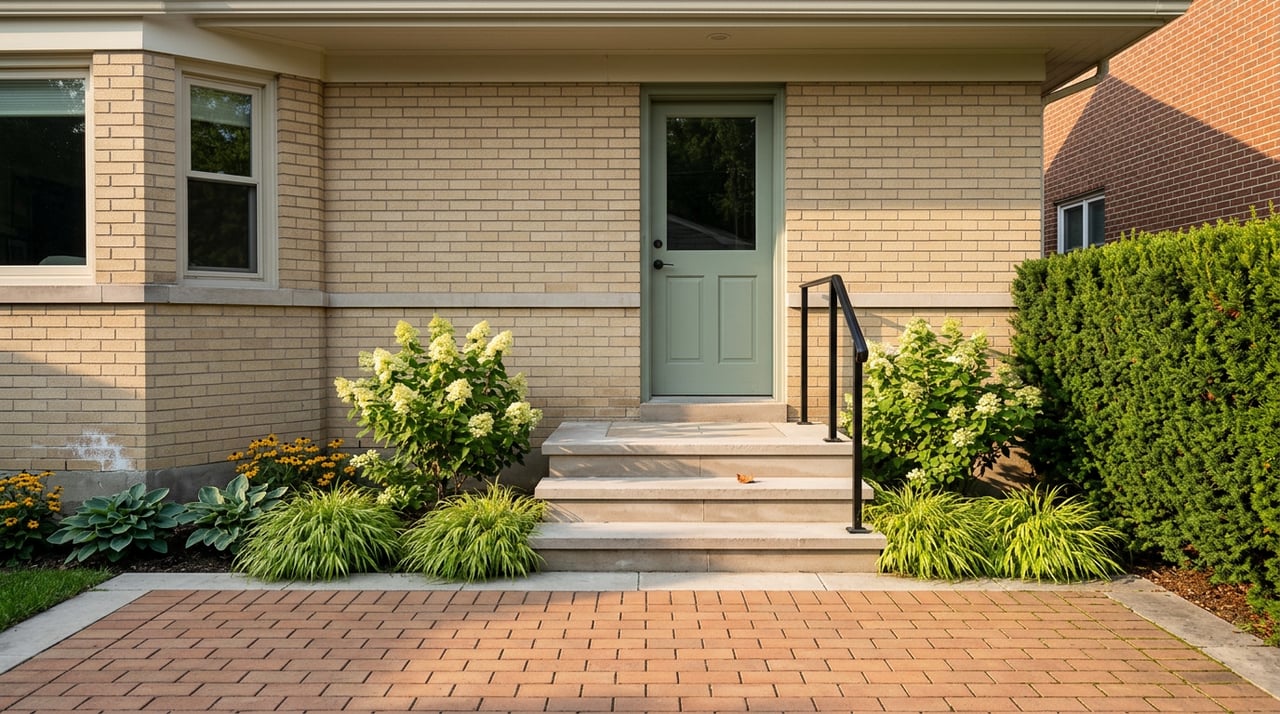
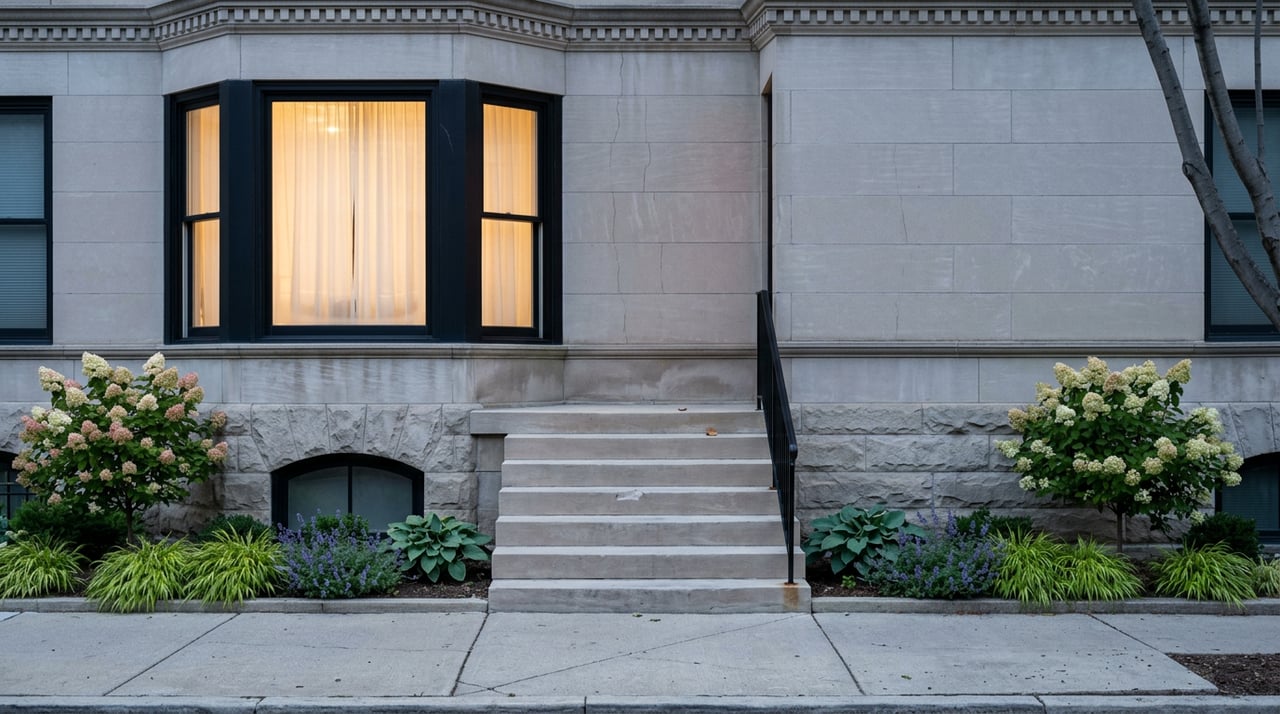
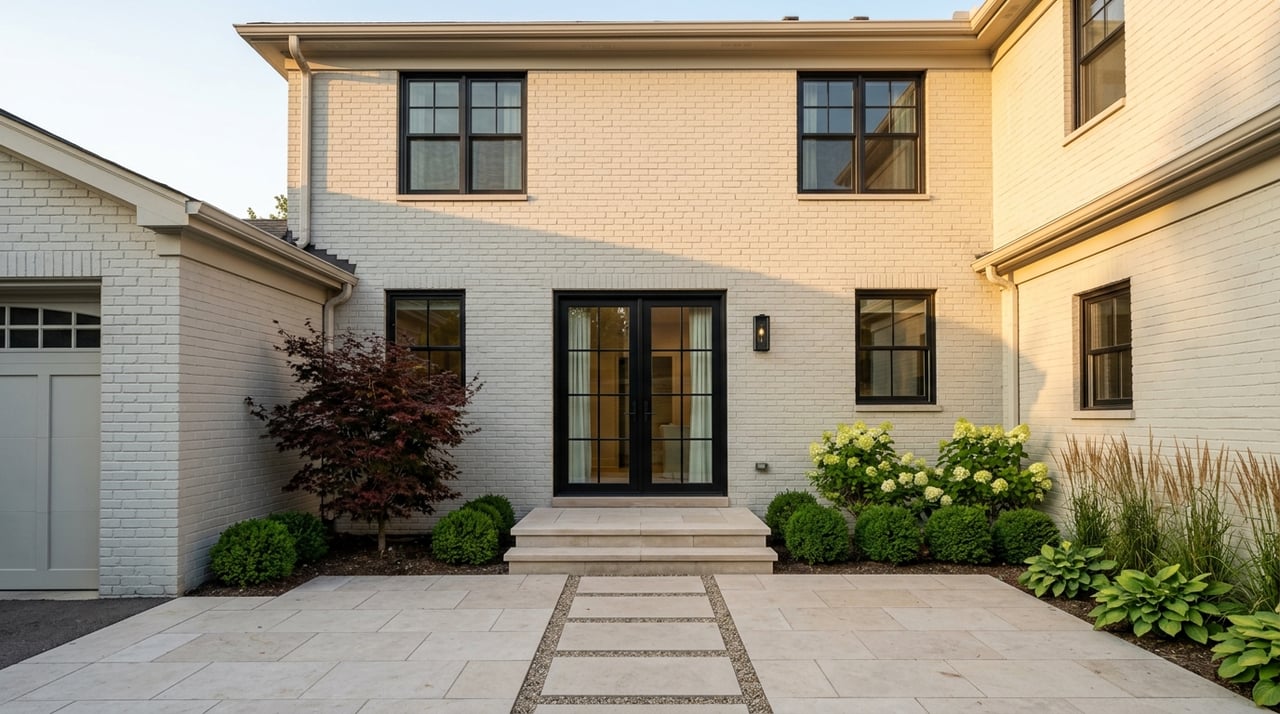
One of the most appealing parts of Jefferson Park is that it pairs strong transit access with a housing stock that still feels neighborhood-scaled. This is not a high-rise-heavy environment built only around a station stop.
In 2024, Jefferson Park’s housing stock was 49.3% single-family homes, 30.8% two-to-four-unit buildings, 9.4% condominiums, and 10.6% buildings with five or more units. That mix points to a market shaped mostly by detached homes and smaller multifamily properties.
What Types of Homes You’ll See
If you are starting your search here, you are likely to come across a range of options that includes:
- Single-family homes
- Two-flats, three-flats, and four-unit buildings
- Condominiums
- Smaller multifamily buildings
This variety can be useful if your needs are changing. A first-time buyer may be focused on affordability and commute access, while a move-up buyer may want more space without leaving a transit-connected neighborhood.
Why the Two-to-Four-Unit Share Stands Out
Jefferson Park’s 30.8% share of two-to-four-unit buildings is worth noting. For some buyers, that can create opportunities to consider owner-occupied housing with rental income potential, especially if you want to balance monthly costs with long-term property goals.
For investors or buyers thinking practically, that housing mix is part of what makes Jefferson Park distinct. It is not only about getting on a train quickly. It is also about finding a property type that fits how you want to live and plan ahead.
Buyers and Renters Both Have a Place Here
Jefferson Park had 26,643 residents and 10,991 households, with 66.7% owner-occupied households and 33.3% renter-occupied households. Those numbers show a neighborhood with a strong ownership base, while still maintaining a meaningful renter presence.
That balance matters because it broadens who may find Jefferson Park appealing. The neighborhood can make sense for first-time buyers, move-up households, renters who want better commute options, and buyers looking at small multifamily opportunities.
What This Means for Your Search
If you are buying, Jefferson Park offers a combination that many people want but do not always find easily: residential housing choices with strong transit access. If you are renting now and thinking about buying later, it can also be a useful neighborhood to learn because the housing stock includes more than one path into ownership.
If you are relocating, the transit network can help you stay flexible while you get to know Chicago. That can be especially helpful if your work or personal routine does not fit neatly into one part of the city.
Everyday Amenities Support Daily Life
A good commute matters, but it is not the whole story. A neighborhood becomes more livable when the basics of daily life feel close, convenient, and easy to use.
Jefferson Park benefits from amenities that support that kind of daily routine. The local library and park resources add another layer to the neighborhood’s appeal beyond transportation.
Jefferson Park Branch Library
The Jefferson Park Branch of the Chicago Public Library is located at 5363 W. Lawrence Ave. It serves Jefferson Park, Forest Glen, Norwood Park, and Portage Park.
The branch includes Wi-Fi, study rooms, a bike rack, a parking lot, and Polish-language materials. For residents, that means access to a practical community resource that can support work, study, errands, and everyday convenience.
Jefferson Memorial Park
Jefferson Memorial Park, officially Thomas Jefferson Memorial Park, is located at 4822 N. Long Ave. The park includes a fieldhouse, gymnasium, playground, pool, baseball field, pickleball courts, tennis courts, volleyball court, community garden, and water spray feature.
The park also hosts recurring programs and events. The Chicago Park District notes that Jefferson Park was established in 1920 to serve the rapidly developing Northwest Side community, which reinforces the neighborhood’s long-standing residential identity.
Why Jefferson Park Appeals to Different Buyers
Jefferson Park works well for more than one type of client because its strengths are practical. You are not relying on hype or a single selling point. You are looking at a neighborhood where transit convenience, housing variety, and daily amenities reinforce each other.
First-Time Buyers
If you are buying your first home, Jefferson Park may stand out because it offers options beyond one property type. You can explore condos, single-family homes, or smaller multifamily buildings while staying in a neighborhood with strong transportation connections.
Move-Up Buyers and Sellers
If you already own and want a different layout, more space, or a better commute setup, Jefferson Park offers a residential feel that can still keep you connected to the rest of Chicago and nearby suburbs. That can be a valuable combination when your housing needs change but convenience still matters.
Relocating Buyers and Small Investors
If you are moving from outside the area, Jefferson Park can be easier to understand than neighborhoods that depend on one mode of transportation or a very narrow housing mix. If you are looking at small investment or owner-occupied multifamily possibilities, the neighborhood’s two-to-four-unit share is part of the conversation.
The Bottom Line on Jefferson Park Living
Jefferson Park is best understood as a Northwest Side neighborhood where transit convenience and residential daily life work together. You have 24-hour Blue Line service, Metra access, a deep bus and Pace network, and a major expressway corridor nearby. At the same time, you also have a housing stock led by single-family homes and small multifamily properties, plus amenities like the library and Jefferson Memorial Park that support day-to-day living.
If you are trying to balance commute options with a more grounded neighborhood feel, Jefferson Park is worth serious consideration. And if you want help sorting through which part of the neighborhood, which property type, or which commute setup makes the most sense for you, working with a local guide can make the search a lot clearer. Ready to talk through your move? Connect with Antonio Sarmiento.
FAQs
Is Jefferson Park in Chicago a good neighborhood for transit-based commuting?
- Yes. Jefferson Park offers 24-hour Blue Line service, Metra UP-NW access, multiple CTA bus routes, Pace routes, and the Pulse Milwaukee Line, making it one of the more flexible commuter locations on Chicago’s Northwest Side.
What types of homes are common in Jefferson Park, Chicago?
- Jefferson Park’s housing stock is made up mostly of single-family homes and two-to-four-unit buildings, with smaller shares of condos and larger multifamily buildings.
Can you live in Jefferson Park without a car?
- For many households, yes. The neighborhood’s rail, bus, Pace, and bike-supportive transit features make it possible to build a routine that does not depend on daily driving.
Does Jefferson Park have amenities beyond transit access?
- Yes. The neighborhood includes the Jefferson Park Branch Library and Jefferson Memorial Park, which offers recreation facilities, programs, and open-air amenities that support everyday life.
Is Jefferson Park better for buyers or renters?
- It can work for both. Most households are owner-occupied, but renters make up a meaningful share of the neighborhood, so Jefferson Park can appeal to first-time buyers, move-up buyers, and renters who want strong commute options.